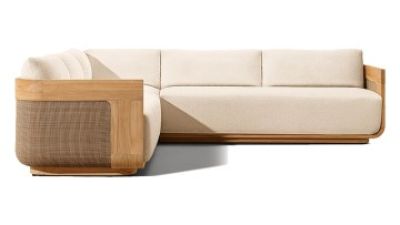
Picking out the perfect Solid Wood Sofaisn’t exactly a walk in the park, trust me. With so many styles and options out there, it can feel overwhelming trying to figure out what really matters. Emily Hartman, a seasoned furniture designer from Hartman Designs, puts it nicely when she says, "A well-chosen Solid Wood Sofa can really define your living space." Her words remind us that quality and design are key when picking out furniture.
Solid wood sofas are known for their durability and that classic, timeless look. When you’re on the hunt, it’s pretty important to think about the type of wood (like oak or walnut), how it’s built, and the overall style. Different woods have different vibes and strengths—some are super durable, others just look gorgeous. People often find themselves stuck trying to match style with practicality, which can lead to second-guessing later on.
At the end of the day, the furniture you choose sets the tone for your whole living space. A solid wood sofa isn’t just practical; it’s also a pretty big style statement that shows off your taste. Spending a little time thinking about what you really need and how a piece fits into your space can help you make a choice you’ll be happy with — a piece that truly reflects your lifestyle and complements your decor.
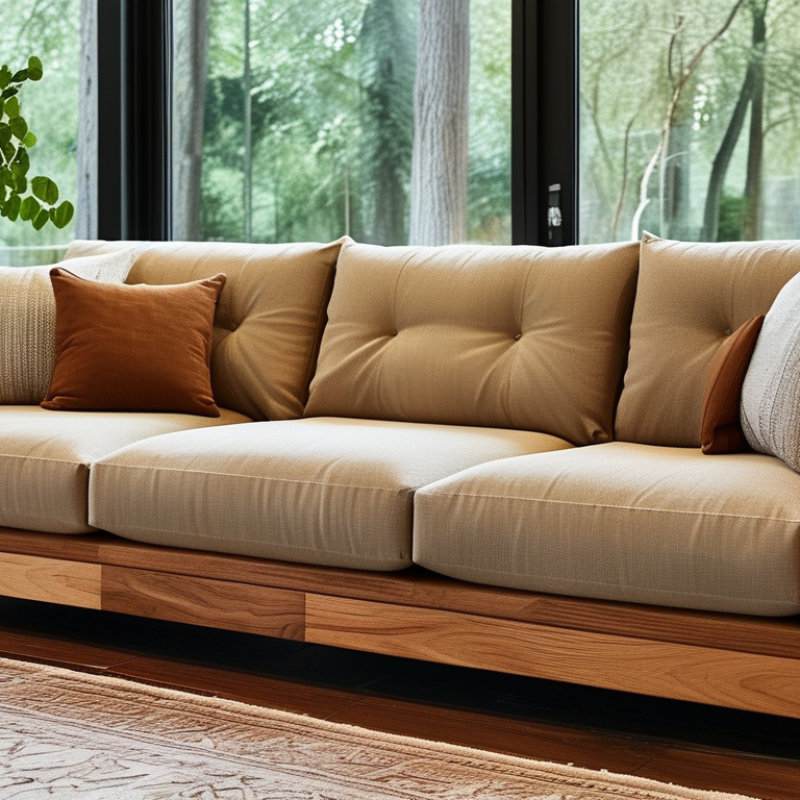
Understanding Solid Wood Types: Durability and Aesthetics
When choosing a Solid Wood Sofa Set, understanding the types of wood is crucial. Each type offers unique durability and aesthetics. Hardwoods like oak and maple are known for their strength. They can endure daily use with minimal wear. Softwoods, such as pine, are lighter and may not last as long. Their warmth and character can be appealing, but they require more care.
The finish of the wood is another factor to consider. A well-finished surface enhances the natural beauty of the wood. However, some finishes are prone to scratches. This can be a concern for families with young children or pets. It’s worth reflecting on your lifestyle before making a decision. You want your Solid Wood Sofa Set to complement your home while fitting your needs.
Visually, the grain patterns can vary widely. Unique swirls and knots often add charm. But not everyone appreciates these natural imperfections. While some seek out these features, others prefer a more uniform look. It’s important to weigh these aesthetic preferences against practical aspects. Balancing beauty and functionality is key to your choice.
Key Features to Assess When Selecting a Solid Wood Sofa
When selecting a solid wood sofa, it's crucial to assess its craftsmanship. Examine the joinery techniques used, as they significantly affect durability. Traditional methods, like dovetail or mortise-and-tenon joints, offer greater strength. Look for consistent grain patterns, which indicate higher-quality wood. More uniform grains often suggest better selection and care in construction.
Comfort is another key feature. The type of cushioning used can influence how you experience the sofa. High-density foam provides firm support, while down blends offer softness. Try sitting on the sofa to gauge its comfort level. Pay attention to the height and depth of the seat, as well as the angle of the backrest. These factors contribute to overall usability.
Finally, consider the finish. It should enhance the wood's natural beauty while providing protection. A matte finish can offer a rustic look, while a glossy finish may appear more modern. Be wary of excessively shiny surfaces, as they might indicate poor quality or attract dust easily. Reflect on how the sofa's aesthetics and functionality suit your space, balancing beauty and practicality.
Importance of Wood Grain and Finish in Sofa Selection
Choosing the right solid wood sofa involves careful consideration of wood grain and finish. The natural patterns in the wood affect the overall aesthetic of your living space. Each type of wood offers unique grain characteristics that tell a story. For example, oak has a pronounced texture, while walnut is smoother with rich color variations. Understanding these options can help you select a piece that aligns with your style.
Finish plays a crucial role in the durability and maintenance of your sofa. A good finish protects the wood from scratches and stains. However, not all finishes are created equal. Oil finishes may enhance the natural grain but require regular upkeep. Lacquer, on the other hand, provides a glossy surface that can be easier to clean. It’s wise to think about how much care you’re willing to commit to your sofa.
Consider the environment in which the sofa will reside. Direct sunlight and humidity can affect wood. Warping and fading may occur if not properly shielded. Reflecting on these factors helps ensure you make a wise investment. Keep in mind, the ideal sofa is one that marries aesthetic appeal with practicality. Balance beauty with function for a piece that serves your needs.
Essential Tips for Choosing the Perfect Solid Wood Sofa
| Dimension | Details |
| Material | Solid Hardwood (e.g., Oak, Maple, Walnut) |
| Wood Grain Type | Open Grain vs. Closed Grain |
| Finish Options | Oil, Lacquer, Polyurethane |
| Comfort Level | Cushion Thickness, Firmness |
| Color Variations | Natural Stain, Painted Finishes |
| Sustainability Factors | Reclaimed Wood, Certified Sources |
| Price Range | $800 - $3000 |
Understanding Joinery Techniques: The Backbone of Quality Sofas
When selecting the perfect solid wood sofa, understanding joinery techniques is essential. These methods determine how well the pieces fit together, affecting durability and aesthetics. Traditional joinery, like mortise and tenon, offers strength and stability. These joints interlock seamlessly, resisting wear over time. However, not all sofas use high-quality joinery. Some manufacturers opt for quick assembly methods to reduce costs. This can compromise the sofa’s longevity.
Look closely at the construction details. Dovetail joints are often found in high-end sofas, providing additional support. They are complex to create, thus reflecting craftsmanship. On the other hand, stapled or glued joints can indicate a lower-quality product. Consumers often overlook these details, drawn to appearances rather than durability.
Outdoor Solid Wood Sofas require even more attention to joinery. Exposure to elements necessitates strong, resilient joints. Water and temperature changes can weaken inferior constructions. Selecting a sofa with robust joinery techniques is vital for outdoor settings. Not only does it ensure prolonged use, but it also preserves the sofa's aesthetic appeal. Investing time in understanding these elements pays off in the long run.
Evaluating Comfort: Cushions, Seat Depth, and Support
When selecting a solid wood sofa, comfort should be high on your list. Cushions play a significant role in this aspect. Look for high-density foam or down-filled cushions that offer both softness and support. A good cushion should cradle your body without sinking too deeply. Also, consider the fabric. It should be breathable and resilient, enhancing both comfort and durability.
Seat depth is another crucial factor. A deeper seat can be inviting for lounging, while a shallower seat promotes a more upright posture. Test various depths to find what feels right for you. Pay attention to the armrests too. They should provide support without feeling restrictive.
Lastly, support matters immensely. The sofa's internal frame should be sturdy and well-made. Check for quality joinery and reliable construction. A well-constructed frame ensures longevity and comfort. Reflect on your lifestyle needs. A sofa is not just furniture; it's a gathering place, too. Choosing carefully can lead to years of enjoyment.
Considerations for Space and Style: Dimensions Matter
When choosing a solid wood sofa, dimensions play a crucial role. You need to assess your space carefully. Measure the length, width, and height of the area where the sofa will go. Pay attention to doorways, stairs, and tight corners that the sofa must navigate. A large sofa may overpower a small room, while a small sofa might get lost in a spacious area.
Style is also important. The design should harmonize with your existing decor. A contemporary space may suit a sleek, minimalist solid wood sofa. In contrast, a rustic environment may require a more traditional look. Color and finish can also impact the overall feel.
Consider the function too. If you plan to use the sofa outdoors, look for Outdoor Solid Wood Sofa Sets. They require materials that withstand weather elements. This choice adds versatility to your Outdoor Living space. Additionally, ensure the sofa’s comfort for lounging or social gatherings. Design should never compromise comfort. Balancing space and style requires thought. Don’t overlook the little details; they make a significant difference.
Essential Tips for Choosing the Perfect Solid Wood Sofa
This chart illustrates the important considerations when selecting a solid wood sofa based on different room dimensions and styles.
Price vs. Value: Investing in Quality Solid Wood Furniture
When investing in Solid Wood Furniture, considering price versus value is crucial. A recent report by the Furniture Today Research Team shows that high-quality solid wood pieces can last over 20 years with proper care. However, budget-friendly options often use lower-grade materials, which may need replacement in just a few years. Thus, spending a bit more initially can pay off significantly in the long run.
When choosing the perfect solid wood sofa, focus on craftsmanship. Examine joinery techniques, as mortise and tenon joints are a sign of quality. Softwoods may be lighter but are generally less durable. Opt for hardwoods like oak or maple for lasting strength. Pay attention to finishes; they should enhance the wood’s natural beauty while providing protection.
While Solid Wood Chairs offer a timeless appeal, they can sometimes come with a hefty price tag. It’s essential to balance comfort, design, and durability. Look for warranties that signify confidence in the product. A high price does not always guarantee durability. Often, shoppers need to reflect on their purchasing decisions.
Maximizing Outdoor Spaces: Insights from Recent Market Reports on Waterproof and Sunproof Furniture Trends for Hotels and Resorts
In the competitive landscape of hospitality, maximizing outdoor spaces has become essential for hotels and resorts aiming to enhance guest experiences. Recent market reports highlight the increasing demand for waterproof and sunproof furniture, presenting an opportunity for establishments to invest in durable and stylish outdoor solutions. By incorporating these functional designs, hotels can create inviting environments that encourage guests to unwind and enjoy the beauty of their surroundings.
Waterproof furniture offers the ability to withstand elements such as rain and spills, ensuring longevity and reducing maintenance efforts. Sunproof options, on the other hand, protect against fading and damage caused by UV rays, making them ideal for sunny locations. Not only do these innovations promote practicality, but they also contribute to the aesthetic appeal of outdoor spaces. Sleek designs and a variety of materials can complement the architecture of hotels, creating cohesive and attractive outdoor areas that draw guests outside.
As the trend of outdoor living continues to grow, investing in quality furniture that meets both functional and decorative needs is essential for any hotel or resort. By prioritizing waterproof and sunproof selections, establishments can improve their outdoor settings, ultimately leading to increased satisfaction and loyalty among their guests. This strategic approach not only enhances the guest experience but also positions hotels and resorts as leaders in hospitality design trends.
FAQS
: Examine the joinery techniques. Dovetail and mortise-and-tenon joints are stronger and more durable.
Look for consistent grain patterns. Uniform grains usually indicate better quality and care in construction.
Comfort affects how you experience the sofa. Cushions, seat depth, and backrest angles are crucial factors.
High-density foam offers firm support. Down blends provide softness. Try them out for comfort.
A deeper seat is better for lounging, while a shallower one promotes an upright posture. Test different depths.
The finish should enhance wood beauty and offer protection. Avoid excessively shiny surfaces; they may attract dust.
A sturdy and well-made frame is vital. It ensures longevity and overall comfort during use.
Yes, they should offer support without being restrictive. Comfort and usability depend on their design.
Absolutely. Consider how you use the sofa for gatherings. Make a choice that fits your daily life.
Many overlook the balance between aesthetics and practicality. Reflect on both aspects for the best choice.
Conclusion
When choosing the perfect solid wood sofa, understanding the different types of wood and their durability and aesthetics is crucial. Assess key features such as joinery techniques, which are essential for determining the quality and longevity of a sofa. Additionally, the wood grain and finish play significant roles in the overall look and feel of the piece. Comfort should also be a priority—consider cushion material, seat depth, and overall support to ensure a pleasant seating experience.
Moreover, dimensions and style must be evaluated to fit seamlessly within your space. It's essential to weigh the price against the value of investing in high-quality solid wood furniture, as it can enhance not only the aesthetics of your home but also offer long-lasting durability. Ultimately, a well-chosen solid wood sofa can be a timeless addition to any living area.















 Mr. Perry Wu International Sales Director