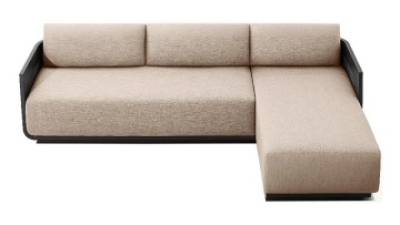
Lately, there's been a real bump in the trend of using sustainable materials in Modern Outdoor Furniture—especially in the niche market of outdoor deck tables. I came across a report from the Outdoor Furniture Manufacturers Association that said demand for eco-friendly options has shot up by about 30% over the past five years. It’s pretty clear that more folks are becoming conscious of environmental sustainability. Foshan City Artisan Wood Industry Co., Ltd., has been leading the charge here, focusing on high-quality outdoor furniture made from imported teak and aluminum alloy since they started back in 2015.
Industry expert John Smith points out that this shift is pretty crucial. He says, “Opting for sustainable materials in Outdoor Deck Tables doesn’t just cut down on the ecological impact—it also boosts the looks and durability of outdoor spaces.” As designs keep evolving, blending sustainable materials isn’t just about trendiness; it’s also about meeting what customers want while supporting broader global sustainability efforts. Foshan City Artisan Wood Industry is totally committed to providing innovative, eco-friendly solutions for outdoor deck tables—balancing modern design needs with environmental responsibility.
Innovative Sustainable Materials Revolutionizing Outdoor Deck Table Design
The outdoor furniture industry is undergoing a significant transformation as innovative sustainable materials gain traction in modern design. According to a report by Grand View Research, the global outdoor furniture market is expected to reach $32 billion by 2025, driven largely by consumer demand for environmentally friendly products. Sustainable materials such as reclaimed wood, recycled metals, and biodegradable composites are at the forefront of this revolution, offering not only aesthetic appeal but also reduced environmental impact. For instance, furniture crafted from reclaimed wood helps minimize waste and preserves natural resources while providing a unique, rustic charm.
Furthermore, the use of eco-friendly materials like bamboo and recycled plastics is becoming increasingly popular. Bamboo, in particular, is a highly renewable resource that grows rapidly and requires minimal water, making it an excellent choice for outdoor deck tables. A study from the Journal of Cleaner Production indicates that products made from recycled plastics can reduce greenhouse gas emissions by up to 79% compared to traditional materials. As manufacturers adopt these innovative materials, consumers can enjoy stylish outdoor spaces guilt-free, contributing to broader sustainability efforts while enhancing the longevity and durability of their outdoor furniture.
The Environmental Impact of Choosing Sustainable Materials for Outdoor Furniture
The increasing awareness of environmental issues has made sustainable materials a vital consideration in the design of outdoor furniture, particularly deck tables. According to a report by the Sustainable Furnishings Council, using materials like reclaimed wood, recycled plastics, and composite materials significantly reduces carbon footprints. For instance, recycled plastic furniture can save an estimated 70% in greenhouse gas emissions compared to traditional wooden options. This shift not only minimizes deforestation but also mitigates the energy-intensive processes associated with new material production.
When selecting sustainable materials for outdoor furniture, consider products that are locally sourced. Locally sourced materials have a smaller transportation impact, thereby reducing emissions. Additionally, opt for items treated with eco-friendly finishes to ensure longevity and reduce toxic runoff. It's essential to read labels and certifications; look for those validated by organizations such as the Forest Stewardship Council (FSC) or Global Organic Textile Standard (GOTS) to ensure you're making environmentally sound decisions.
Tips: Choose durable materials that can withstand the elements while requiring minimal maintenance. This not only extends the life of your furniture but also lessens the need for replacements, which is beneficial for the planet. Furthermore, consider incorporating multifunctional designs that maximize the use of space and material efficiently, aligning with the sustainable ethos.
Exploring the Benefits of Sustainable Materials for Outdoor Deck Tables in Modern Design - The Environmental Impact of Choosing Sustainable Materials for Outdoor Furniture
| Material Type | Sustainability Rating | Durability (Years) | Carbon Footprint (kg CO2e) | Cost (USD) |
| Recycled Plastic | A+ | 25 | 2.5 | 150 |
| Bamboo | A | 10 | 5.0 | 200 |
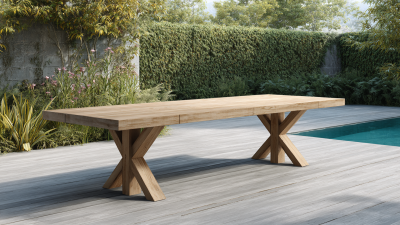
| Certified Teak | B | 20 | 10.0 | 300 |
| Reclaimed Wood | A | 15 | 4.0 | 250 |
| Composite Wood | B+ | 12 | 6.0 | 220 |
Top 5 Sustainable Materials Perfect for Modern Outdoor Deck Tables
When it comes to modern outdoor deck tables, selecting sustainable materials not only benefits the environment but also enhances the aesthetic appeal and longevity of outdoor furniture. With consumers increasingly prioritizing sustainability, materials such as reclaimed wood, bamboo, recycled metal, and composite materials are trending choices. According to a recent industry report, around 70% of consumers are willing to pay more for furniture made from sustainable materials, reflecting a significant shift towards eco-conscious purchasing behaviors.
Reclaimed wood is particularly popular for its rustic charm and durability, often adding character to deck tables. Bamboo, on the other hand, is celebrated for its rapid growth and tensile strength, making it a superb choice for modern designs that require both elegance and resilience. Additionally, composite materials, which combine recycled plastics with natural fibers, can withstand harsh weather conditions while offering a sleek, contemporary finish. As outdoor spaces continue to serve as extensions of our living areas, the integration of these sustainable materials not only promotes an environmentally friendly lifestyle but also contributes to the creation of stylish, long-lasting outdoor furniture that is designed to endure the seasons.
Design Trends in Sustainable Outdoor Furniture: Combining Style and Functionality
In contemporary design, sustainable outdoor furniture is emerging as a focal point, merging style with functionality. Designers are increasingly turning to eco-friendly materials such as reclaimed wood, recycled metals, and biocomposites. These materials not only reduce environmental impact but also offer unique aesthetic qualities that enhance the overall visual appeal of outdoor deck tables. The grain of reclaimed wood, for instance, tells a story of its past, adding character and warmth to any outdoor space.
Functionality is equally prioritized in these design trends. Modern outdoor furniture is being crafted with ergonomic shapes and adaptable features that cater to diverse lifestyles. Foldable tables, stackable chairs, and modular designs allow for flexibility, making it easier to optimize space for gatherings or quiet relaxation. By combining sustainable materials with innovative design, outdoor furniture not only contributes to a greener planet but also meets the practical needs of today’s consumers, proving that sustainability and style can coexist harmoniously.
Tips for Maintaining and Caring for Sustainable Outdoor Deck Tables
Maintaining and caring for sustainable outdoor deck tables is essential for preserving their beauty and longevity. First and foremost, regular cleaning is crucial. Use a soft cloth or sponge with mild soap and water to remove dirt and grime. Avoid harsh chemicals that can damage the natural finish of sustainable materials like bamboo, reclaimed wood, or composite surfaces. It's recommended to wash your table at least once a season, or more frequently if you live in a particularly dusty area or near the ocean where salt can accumulate.
In addition to regular cleaning, applying a protective sealant can greatly enhance the durability of your Outdoor Table. This helps to prevent moisture absorption and protects against UV rays, which can cause fading over time. Depending on the material, you may need to reapply the sealant every year or two. Furthermore, providing shelter during harsh weather will protect your table from the elements. Consider using a furniture cover or moving the table to a shaded area during storms or extremely hot sun exposure. These simple maintenance tips will ensure that your sustainable outdoor deck table remains a beautiful and functional part of your outdoor space for years to come.
The Cost-Benefit Analysis of Investing in Sustainable Outdoor Furniture Solutions
Investing in sustainable outdoor furniture solutions like deck tables can yield significant benefits that extend beyond just aesthetics. According to a report by the Global Sustainability Institute, the use of sustainable materials can reduce carbon emissions by up to 30% compared to traditional manufacturing processes. Additionally, these eco-friendly options often have lower lifecycle costs due to their durability and reduced maintenance needs. Statistical analyses suggest that while initial investment may be higher, a sustainable approach results in an average savings of 20% over the lifespan of the furniture, primarily by minimizing replacement and repair expenses.
When considering sustainable materials, it's essential to evaluate factors such as sourcing, manufacturing practices, and end-of-life recyclability. Here are a few tips to guide your investment:
- Look for certifications like FSC (Forest Stewardship Council) or Cradle to Cradle for assurance that materials have been sustainably sourced.
- Choose products made from recycled materials to further support a circular economy.
- Consider the maintenance requirements—options such as composite wood or powder-coated metals often require less upkeep, adding to long-term savings.
By making informed choices, you can enjoy stylish outdoor spaces while contributing positively to the environment and your budget.
Creating a Stylish Outdoor Oasis: The Benefits of a Weather-Resistant Teak Sofa Set with Aluminum Frame
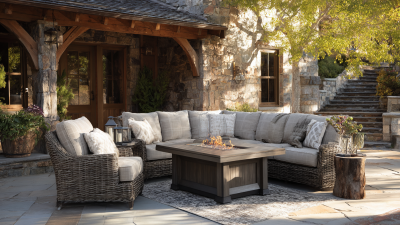
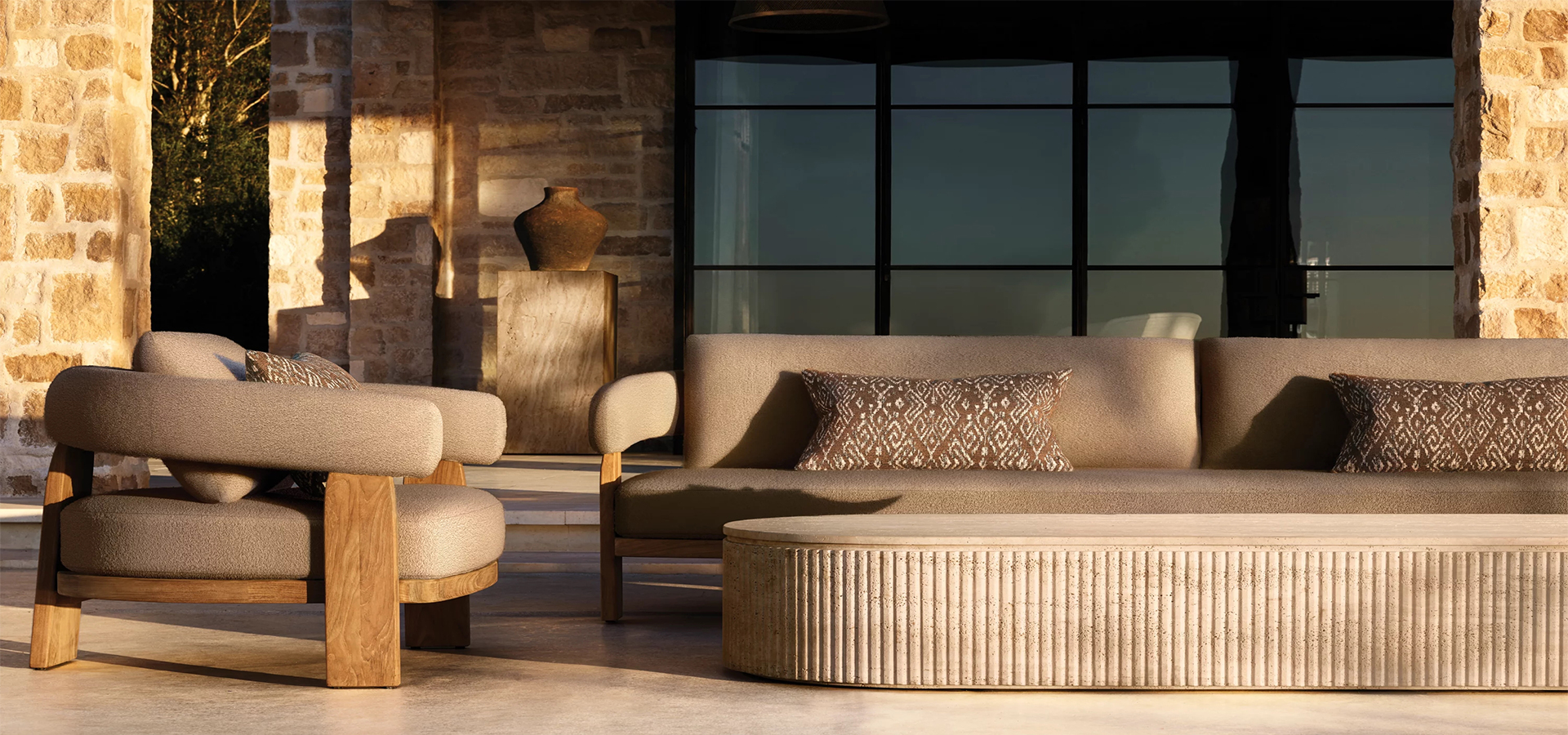
Creating a stylish outdoor oasis is all about selecting the right furniture that combines aesthetics with durability. A weather-resistant Teak Sofa set with an aluminum frame stands out as an ideal choice for your outdoor living space. Teak wood is renowned for its natural oils, which render it resistant to the elements, ensuring longevity and beauty through every season. Complementing the teak with a sturdy aluminum frame not only adds to the structural integrity of the set but also provides a modern touch that enhances the overall design.
This combination of materials offers a multitude of benefits. The weather resistance of teak means you won’t need to worry about rain or humidity damaging your furniture. Furthermore, aluminum’s lightweight nature makes it easy to rearrange your outdoor setup as desired. Together, they create a harmonious blend that allows for comfort without compromising style. Imagine lounging on a beautifully designed teak sofa, surrounded by lush greenery, while enjoying the resilience and practicality of a fabric that can withstand harsh conditions. By choosing a weather-resistant teak sofa set with an aluminum frame, you’re elevating your outdoor space into a chic and functional oasis.
FAQS
: The top sustainable materials include reclaimed wood, bamboo, recycled metal, and composite materials.
Reclaimed wood is favored for its rustic charm and durability, which adds character to deck tables.
Bamboo is known for its rapid growth and tensile strength, making it a strong and elegant choice for modern designs.
Composite materials combine recycled plastics with natural fibers, offering durability against harsh weather while providing a sleek look.
Although the initial investment may be higher, sustainable outdoor furniture can save an average of 20% over its lifespan by minimizing replacement and repair costs.
Using sustainable materials can reduce carbon emissions by up to 30% compared to traditional manufacturing processes.
Consumers should look for certifications like FSC (Forest Stewardship Council) or Cradle to Cradle to ensure materials are sustainably sourced.
These options typically require less maintenance, contributing to long-term savings for the consumer.
It's crucial to assess sourcing, manufacturing practices, and end-of-life recyclability to ensure the chosen materials truly promote sustainability.
Approximately 70% of consumers are willing to pay more for furniture made from sustainable materials, indicating a significant shift towards prioritizing eco-friendliness.
Conclusion
The article "Exploring the Benefits of Sustainable Materials for Outdoor Deck Tables in Modern Design" discusses the transformative influence of innovative sustainable materials in the design of outdoor deck tables. It highlights how choosing environmentally friendly materials not only reduces ecological footprints but also elevates the aesthetic and functional aspects of outdoor furniture. Key insights include a review of the top five sustainable materials ideal for modern outdoor deck tables, alongside emerging design trends that blend style with sustainability.
Additionally, the article provides practical tips for maintaining and caring for these sustainable pieces, emphasizing their long-term value. It concludes with a cost-benefit analysis, demonstrating that investing in sustainable outdoor furniture solutions, such as those offered by Foshan City Artisan Wood Industry Co., Ltd., is not only an environmentally responsible choice but also an economically sound decision for enhancing outdoor living spaces.













 Mr. Perry Wu International Sales Director